
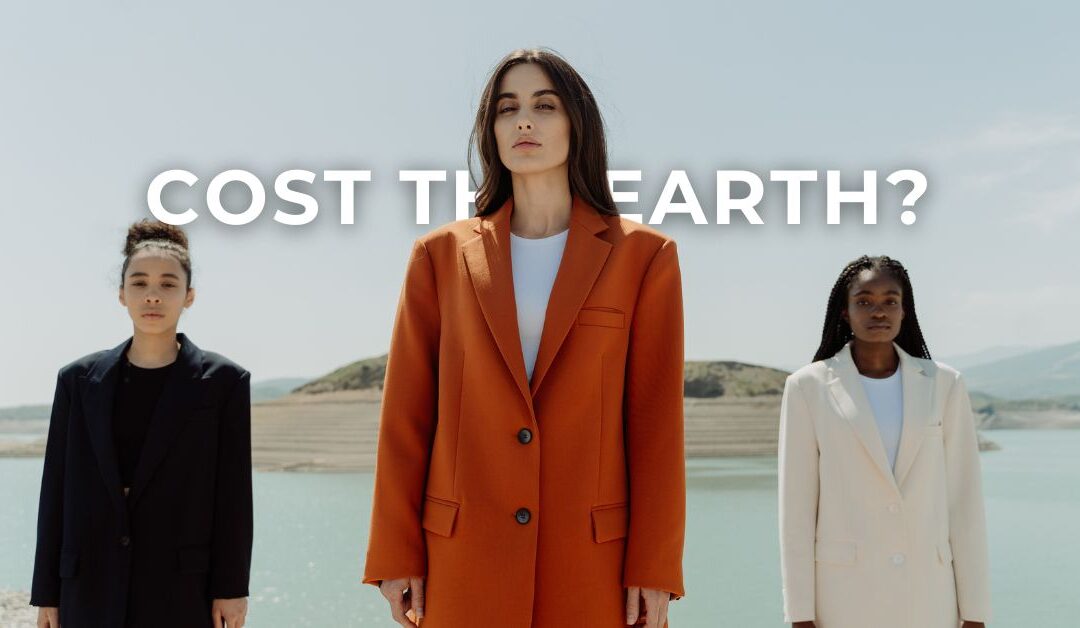
As a child two generations from farmers, the land isn’t an abstract idea for me, it’s woven into who I am. I understand, in a way that only experience can teach, that the soil we walk on today feeds tomorrow. But what happens when the fashion industry, a juggernaut of consumption and creativity, threatens the future of that soil?
The United Nations Convention to Combat Desertification’s (UNCCD) latest report, Fashion & Land: Unravelling the Environmental Impact of Fibres, digs deep into this issue. It examines how fashion’s insatiable hunger for natural fibres like cotton, wool, and synthetics impacts not just ecosystems but the very livelihoods of farmers and communities globally. The message is clear: what we wear carries the weight of the land beneath it.
Fast Fashion, Slow Degradation
The land impact of fashion often starts at the source, fibre production. Cotton, the world’s most popular natural fibre, occupies vast swathes of farmland globally, but at what cost? Over 2.5% of the world’s arable land is devoted to cotton, which guzzles water and relies on harmful pesticides. Growing enough cotton for a single T-shirt requires more than 2,000 litres of water, and its long-term effects, soil salinisation and land degradation can be devastating.
Synthetics, which now dominate over 67% of global fibre production, have their own challenges. Derived from fossil fuels, they leave a long-lasting mark at the end of their lifecycle, often landing in landfills and contributing to microplastic pollution. Every fast-fashion piece comes with an invisible tag, a cost that the planet silently pays.
From Farm to Fabric: Rethinking the Supply Chain
The UNCCD report outlines the land-intensive nature of other fibres too. Wool production, particularly cashmere, can result in overgrazing and desertification, with fragile ecosystems in places like Mongolia suffering under the strain. Meanwhile, wood-based fibres, when sustainably sourced, offer hope but also pose risks like deforestation if improperly managed.
This is where innovation could change the game. Although I’m a huge fan of wool, plant-based alternatives like hemp and flax boast lower environmental impacts, requiring less water and chemical inputs. Better still, emerging technologies are turning waste into fabric: orange peels, pineapple leaves, and coffee grounds are being repurposed to create fibres, reducing pressure on arable land.
The Circular Fashion Fix
The report makes one thing clear: circularity must become the core of the industry. With less than 1% of materials recycled into new clothing, the current model of take-make-dispose is a ticking time bomb. Circular solutions, from promoting recycled cotton to designing clothes that can be easily repaired, are no longer optional, they’re essential.
But innovation alone won’t solve it. As consumers, businesses, and policymakers, we all play a role. We must support sustainable materials, regulate wasteful practices, and rethink how we consume. Even simple decisions, choosing fewer, better-quality pieces, can alleviate fashion’s burden on the planet.
Sustainability as a Style Statement
For Social Tailor, yes, we’re a digital and marketing agency rooted in the heart of Edinburgh and passionate about the circular economy, but this issue is more than a passing trend. It touches on everything we believe about responsible storytelling and making an impact. Fashion isn’t just about aesthetics; it’s about responsibility, community, and innovation.
The next time you buy a T-shirt or browse the latest trends, consider this: that fabric holds more than stitching and dye, it holds the story of the land it came from. And if we nurture that land, it will, in turn, nurture generations to come.
Don’t let fashion cost the earth. Instead, let’s tailor a new future, one that celebrates creativity without leaving destruction in its wake. Because when we ask ourselves, “Who are you wearing?” the answer should be one you’re proud of.